
Ephemera
Near East Relief activities in Constantinople
The Near East Foundation (NEF) is an American international social and economic development organization based in Syracuse, New York. The NEF had its genesis in a number of earlier organizations. The inception was as the American Committee on Armenian Atrocities, followed by American Committee for Armenian and Syrian Relief (ACASR), then American Committee for Relief in the Near East (ACRNE), before becoming Near East Relief in August 1919. In 1930 as the relief work diminished and development work expanded, the organization reorganized as the Near East Foundation.
The earlier organizations began in response to American Ambassador in Constantinople Henry Morgenthau Sr.’s 1915 reports of governmental atrocities against Ottoman Armenians. Morgenthau referenced the deportations of intellectuals and requested urgent and immediate assistance. Former missionary and educator James Levi Barton and philanthropist Cleveland Hoadley Dodge led a group of prominent New Yorkers in forming the American Committee for Armenian and Syrian Relief, each with personal connections to the Near East.
The committee then embarked upon an unprecedented grassroots campaign to raise money and awareness across the United States. The campaign combined striking imagery, passionate celebrity spokespeople, and captivating stories from the field to inspire Americans from all economic backgrounds to become citizen philanthropists. The organization briefly used the name American Committee for Relief in the Near East in 1918–1919 as seen on many of the committee’s iconic posters.
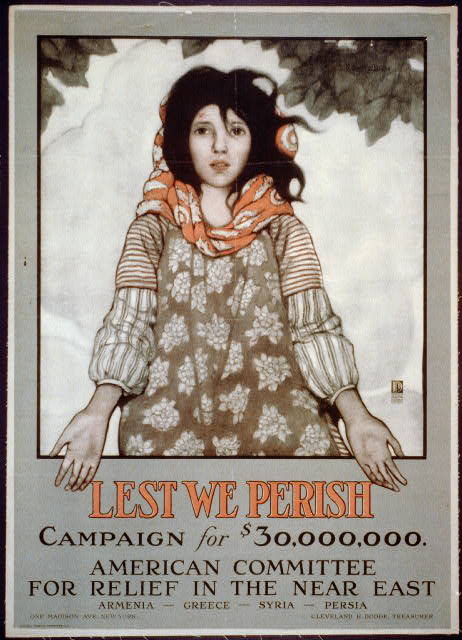
In August 1919, the committee received a congressional charter (the second humanitarian organization to receive this recognition, after the American Red Cross) and was renamed Near East Relief. From 1915 to 1930, Near East Relief saved the lives of over a million refugees, including 132,000 orphans who were cared for and educated in Near East Relief orphanages. Near East Relief mobilized the American people to raise over $116 million for direct relief. Nearly 1,000 U.S. citizens volunteered to travel overseas. Near East Relief workers built hundreds of orphanages, vocational schools, and food distributions centers. Overseas relief workers were responsible for the direct care of orphans and refugees, including the organization of vast feeding and educational programs. Thousands of Americans volunteered throughout the U.S. by donating money or supplies and hosting special events to benefit Near East Relief’s work.
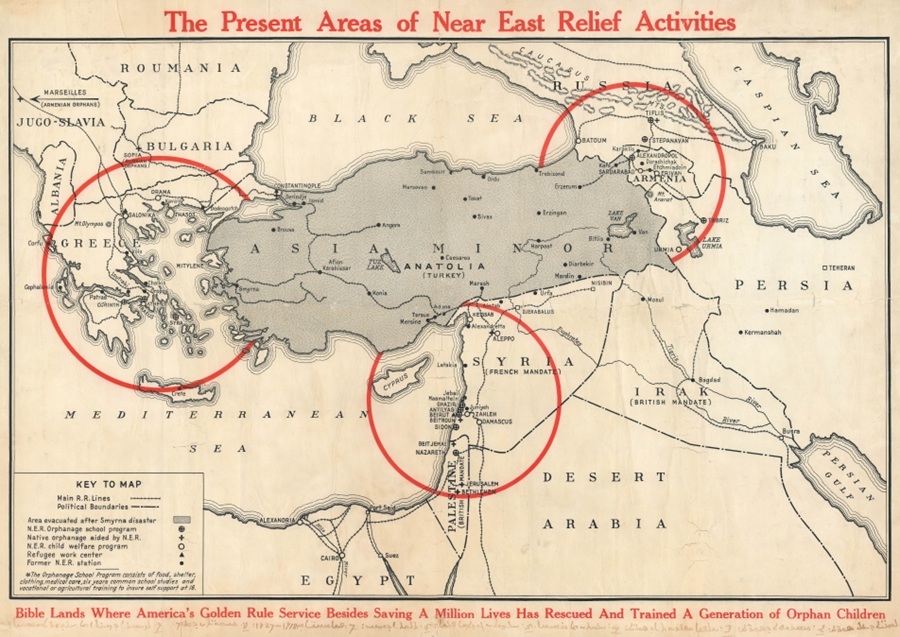
The geography and scope of the work of the Near East Relief was wide, the gallery below is focussed on its work with the White Russian refugees in Constantinople between 1919-20, at the height of the refugee influx, photos taken by an anonomous photographer, presumably there to record the work and help publicise this in the US to secure more funds for the huge tide of humanity that came down on the city with the collapse of the White Russian army in Crimea in 1920
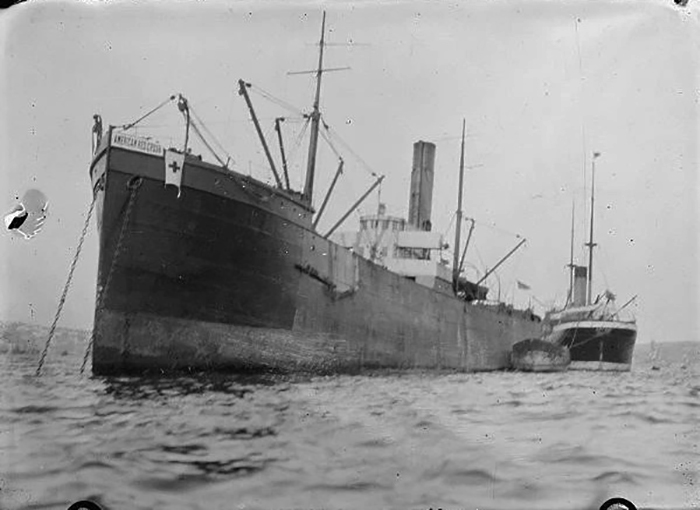
The US merchant ship ‘Navajo’, 1920. It was aboard this ship that 800 Russian refugees from Odessa ten hours before the Bolsheviks entered the city were evacuated. The American Red Cross relief ship arrived just in time. Thousands fought to get on board the ship but only those to whom it would have meant certain death to stay behind were permitted to come on board.
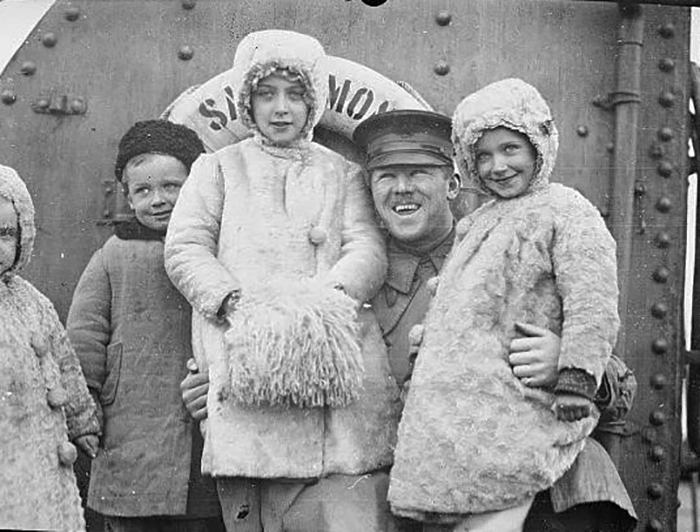
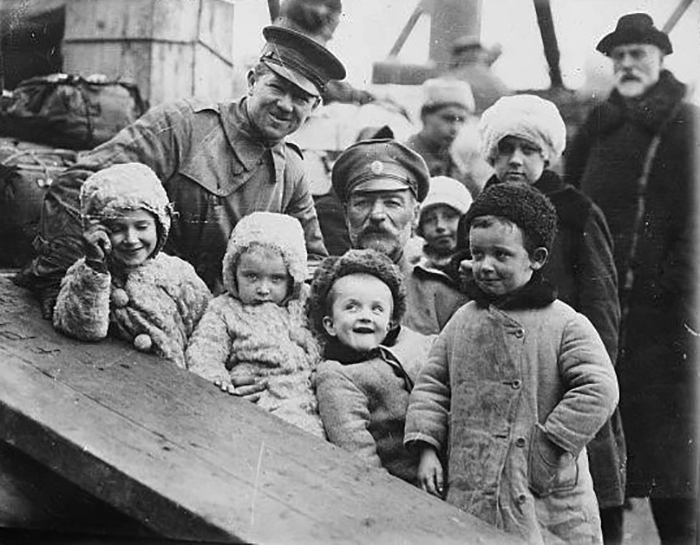
About thirty children who got lost from their parents during the rush of refugees to leave the doomed city of Novorossisk, in South Russia found themselves taken care of. They were all gathered together and taken to Crimea by the American Red Cross on the relief ship Sangammon. These 2 pictures shows some of the children in the charge of Lieut. L.M. Foster, of Chicago. Many of the children were restored to their parents after reaching Crimea, while those whose parents could not be located were taken to the Red Cross colony on the island of Proti near Constantinople.
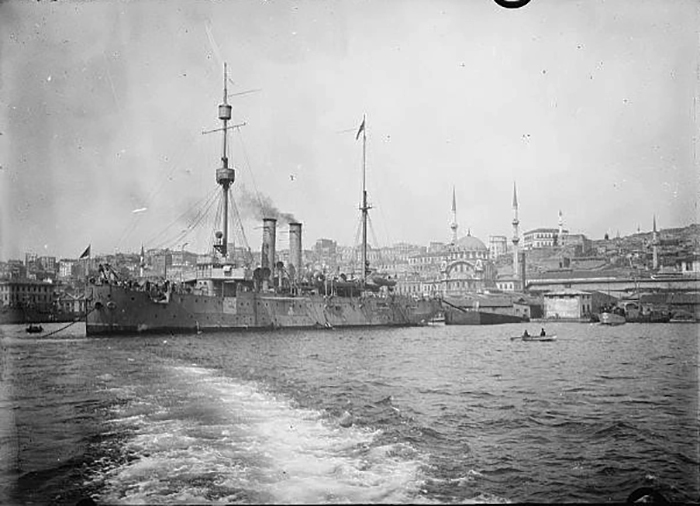
U.S.S. Galveston photographed 1920, American Red Cross refugee ship on the Bosphorus, Constantinople. The U.S.S. Galveston transported Russian refugees from Constantinople to Proti Island for the American Red Cross.
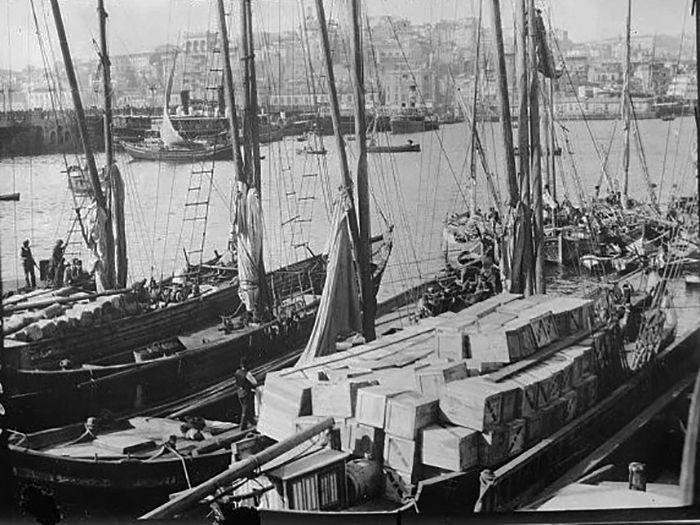
American Red Cross supplies on harbour lighters on the Golden Horn, Constantinople. Practically all boats must be unloaded by means of lighters for there are no large docks. Boat hoists do their own work. This picture shows American Red Cross supplies bound for south Russia being transferred from the American steamer to lighters.
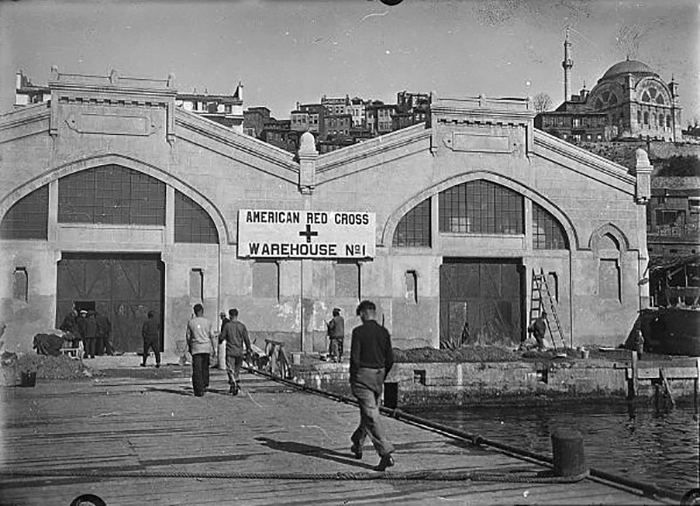
American Red Cross warehouse for relief supplies, photographed 1920, along the Bosphorus, Tophane district. This was the base of all relief operations in that part of the world. The building had a capacity of nearly 10,000 tons and was one of the finest on the waterfront. Unlike most warehouses in Constantinople supplies could be unloaded into it from the water. Most Turkish warehouses were built some distance from the water front and a haul by a team or a long carry by porters was necessary.
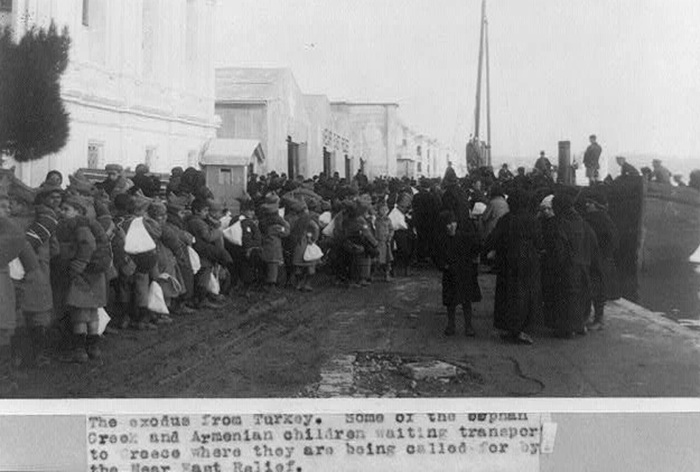
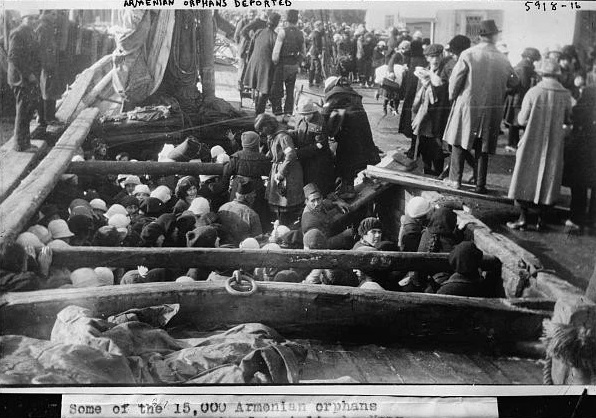
This appears a nearby location to the American Red Cross warehouse - The exodus from Turkey. Some of the orphan Greek and Armenian children awaiting transport to Greece where they are being called by the Near East Relief.
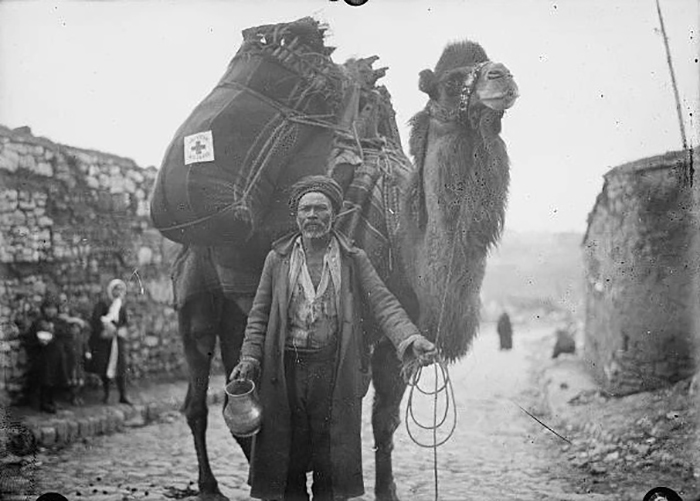
Camel transport of American Red Cross supplies, 1920. Transportation was a big problem for a westerner in the East. Everything was slow. There were few automobiles, horses had mostly been killed off in the war and oxen were entirely too slow. The American Red Cross workers in Constantinople solved the problem by employing Arab caravans from the base warehouse to the various docks along the water front. This picture shows one of the camels carrying supplies through the streets of the Eastern metropolis.
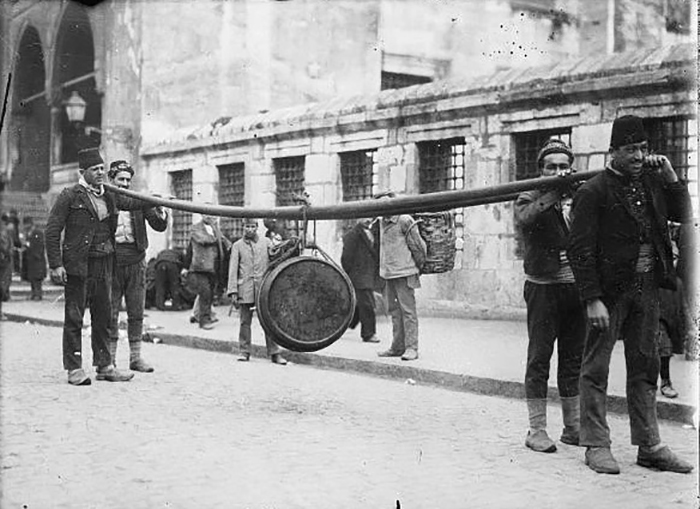
Porters (hammals) carrying a barrel for the American Red Cross in Constantinople, 1920.
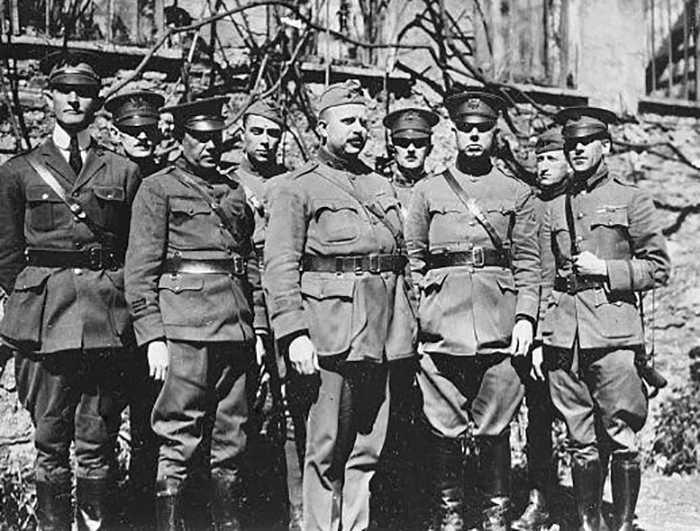
American Red Cross relief unit officers in Constantinople, 1920. They are, reading from left to right, Major Geo. M. Reinbolt, director of transportation, Chicago. Lieut. Geo. Koler, ass’t supt. of warehouses, New York; Capt. Milner, supt. of warehouses, Phila. Lieut. Henry Nelson, ass’t director of transportation, Gloucester, Mass.; Major C. Claflin Davis, director of the unit, Boston; H. Day, director of supplies, Richmond, Va. Capt. R. S. Mighill, personnel officer, New York; Sgt. N. Reymer, garage supt. Chicago. Major. McQueen, comptroller, New York.
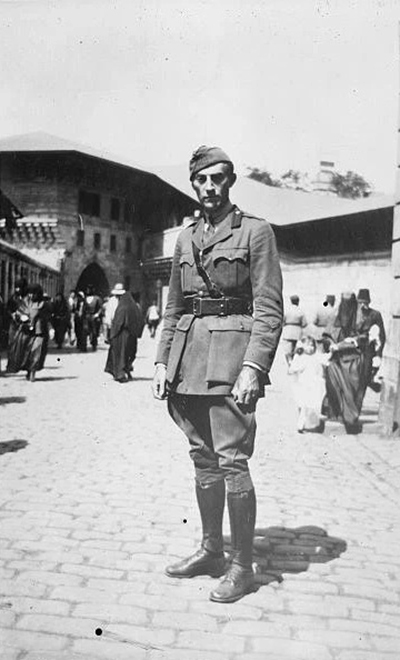
Lieut Lloyd G Hartshorne of the Red Cross, Constantinople, 1919. He was responsible from logistics and escorted more than 100,000 tons of American supplies into the Near East.
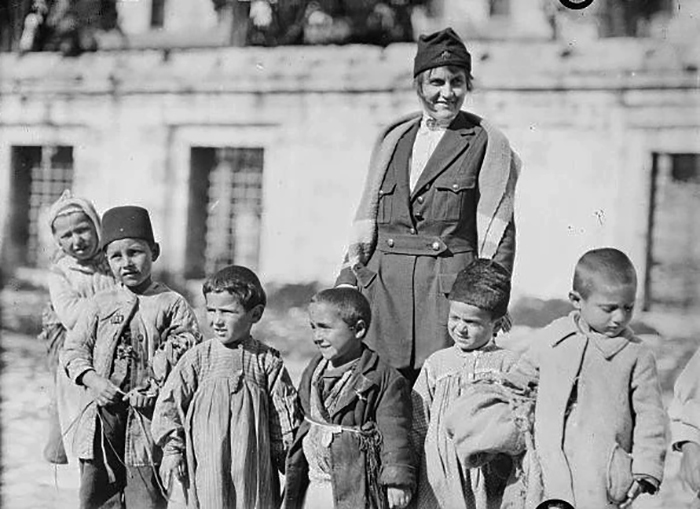
Miss Constance Douglas of Bath, Me, working for the Red Cross with orphans she is caring for, Constantinople, 1920.

Miss Constance Douglas Red Cross with Turk child, Constantinople, 1920.
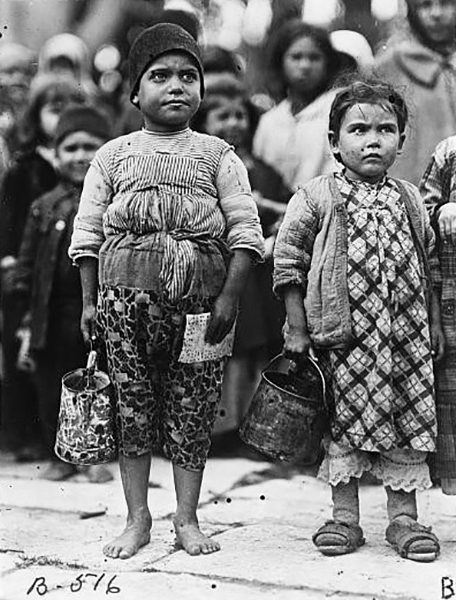
‘Native children’, Constantinople, 1919.
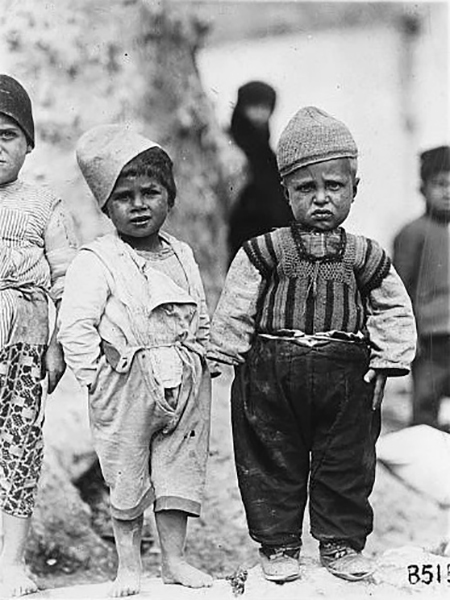
‘Native children’, Constantinople, 1919.
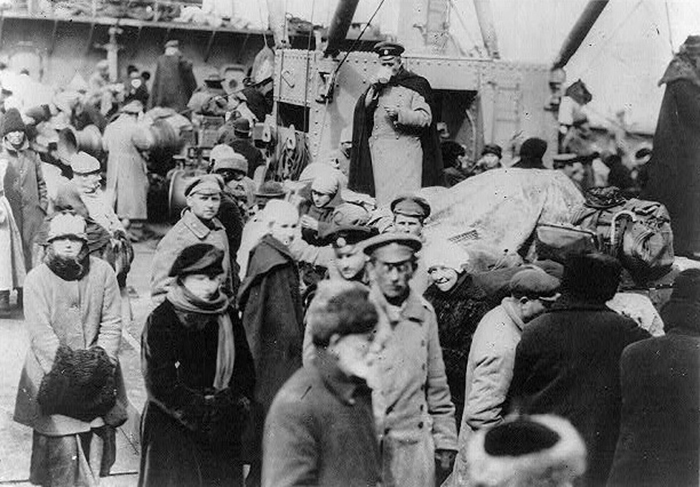
White Russian refugees crowding a Red Cross relief boat, enroute to the Island of Proti near Constantinople, 1920.
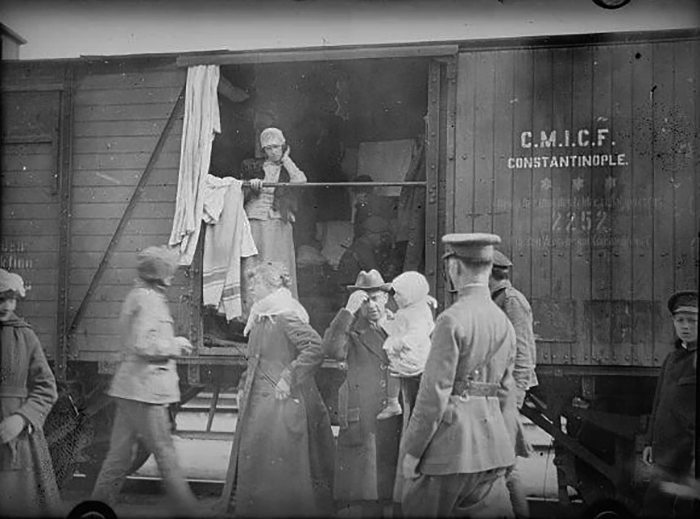
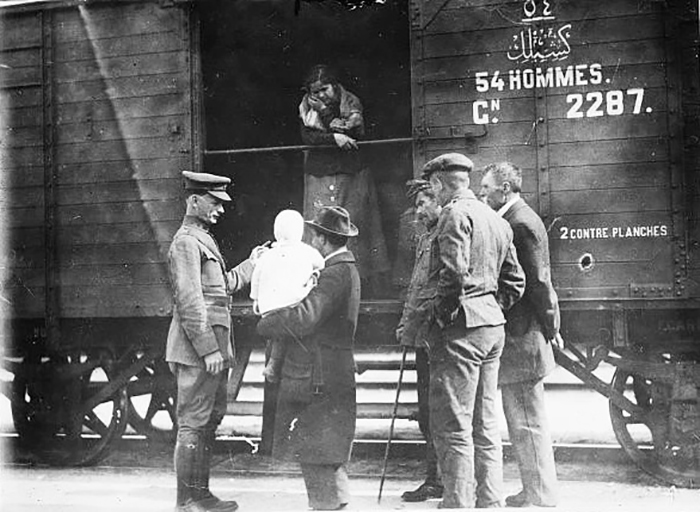
Refugees for Bulgaria. James A. Mills, an American Red Cross worker from New York, directing the leading of a relief train in Constantinople which is to take Russian refugees to Varna, Bulgaria. Box-cars still bearing the war time signs were used to transport the refugees, 1920.
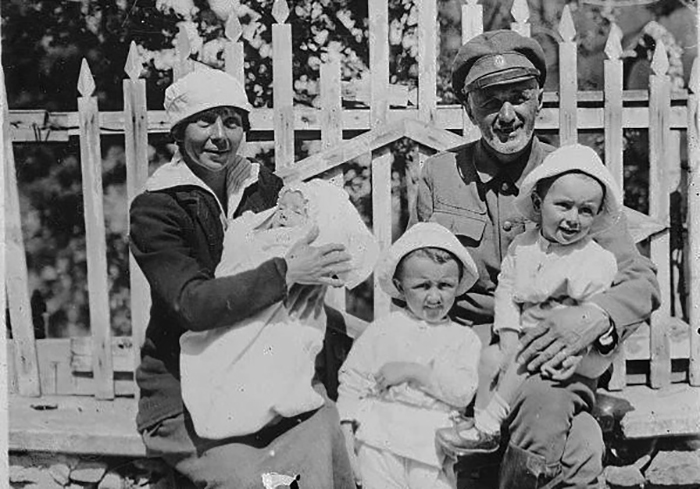
White Russian refugee family, the husband is in the uniform of General Deniken’s army, Constantinople, 1920.
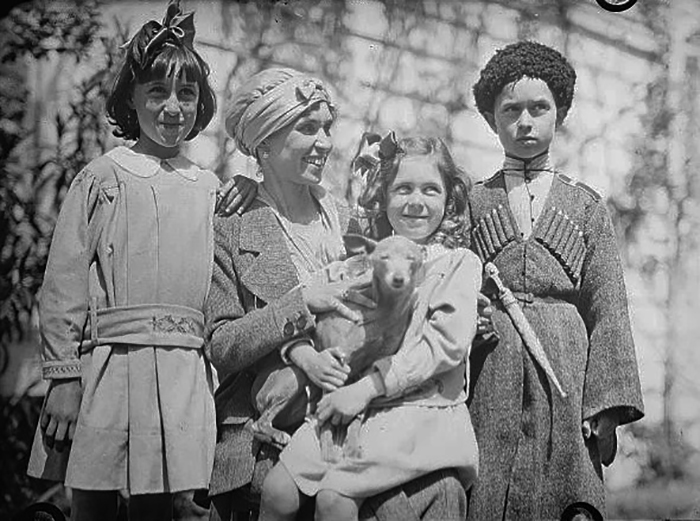
Baroness and wife of White Russian general Peter Wrangel with her children, Constantinople, 1920. Baroness Wrangel was a daily worker at the island of Proti where the Red Cross was caring for a colony of more than a thousand of these homeless and destitute people. This picture shows the Baroness and her three children, her son Peter, aged nine, is wearing the regulation cossack soldier uniform.
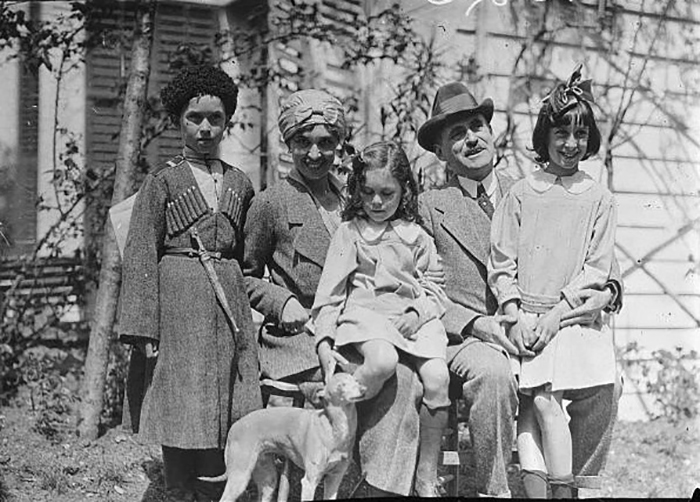
When Charles Smith, Associated Press Correspondent in Constantinople, attempted to interview Baroness Wrange, wife of the Commander in Chief of the forces against the Bolsheviks, he found it an easy task and became friends with the entire family. This picture shows Mr. Smith, Baroness Wrangel and her three children, 1920.
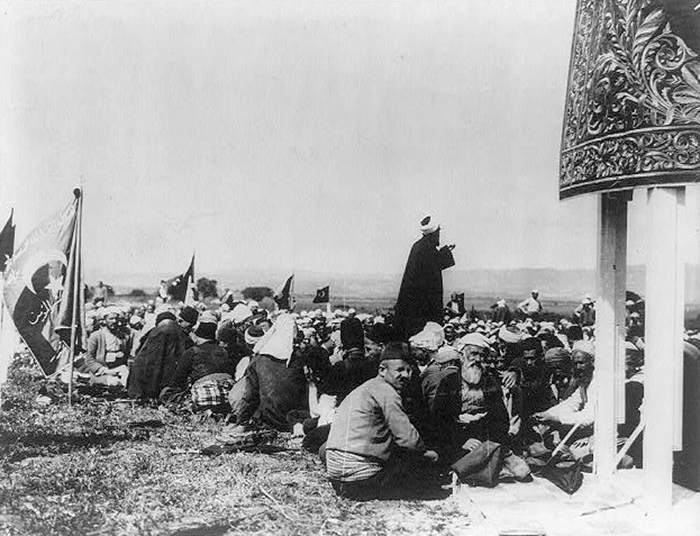
White Russian refugees from Odessa, sitting as a group on Prinkipo Island near Constantinople. The Muslim style of dress suggests these may be ethnic Crimean Tatars?
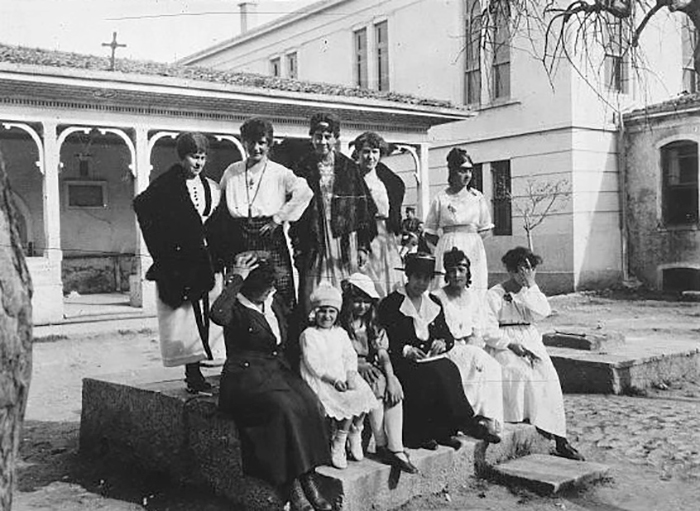
White Russian ‘noble refugee girls’, Constantinople, 1920. The girls are dressed in old gowns donated to the American Red Cross by American women.
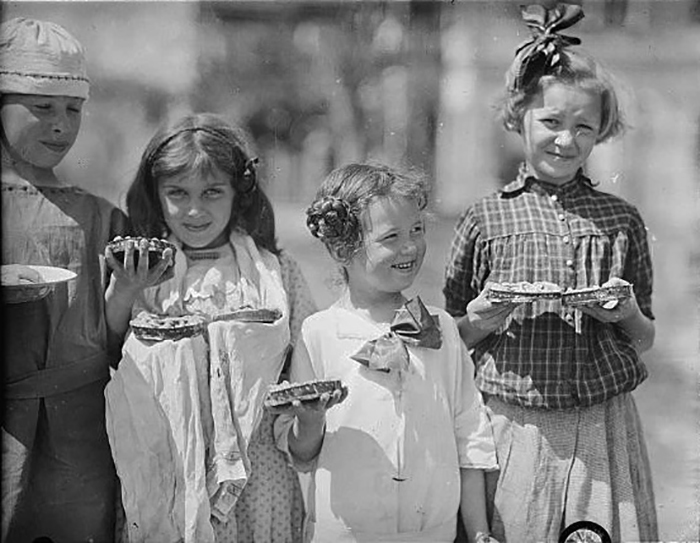
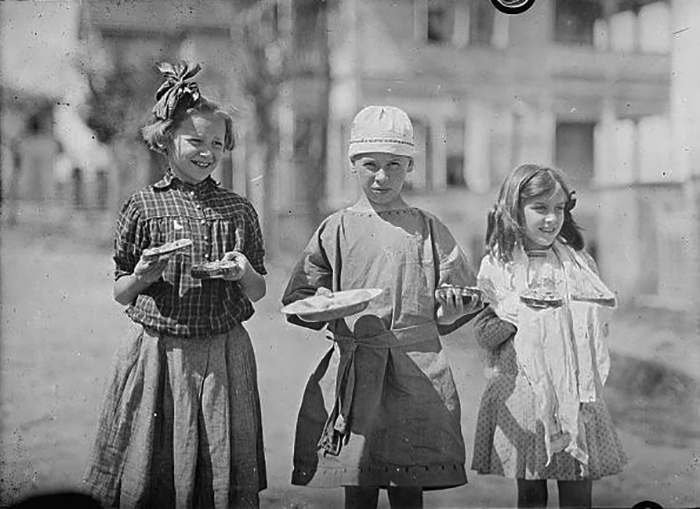
White Russian refugee children, Proti Island, Constantinople, 1920. They are eating bread and cakes baked with American flour.
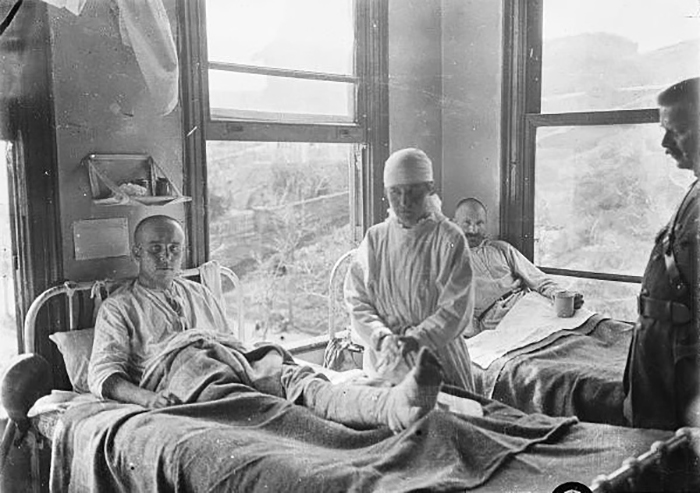
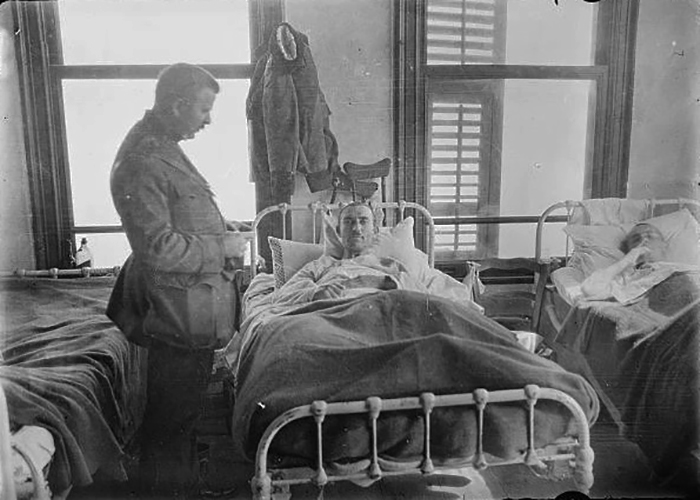
Dr C C Davis of Boston at the American Red Cross Hospital on the island of Proti (Kınalıada) treating patients, refugees recently evacuated from the Black Sea ports of Russia, 1920.
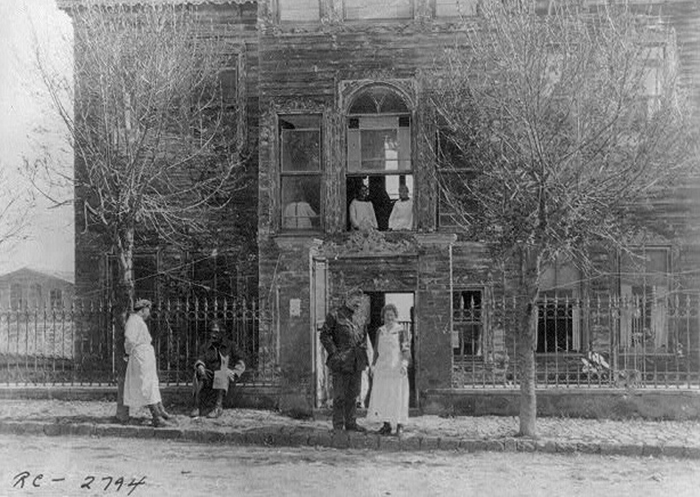
American Red Cross hospital for Crimean refugees on the island of Proti, near Constantinople, 1919.
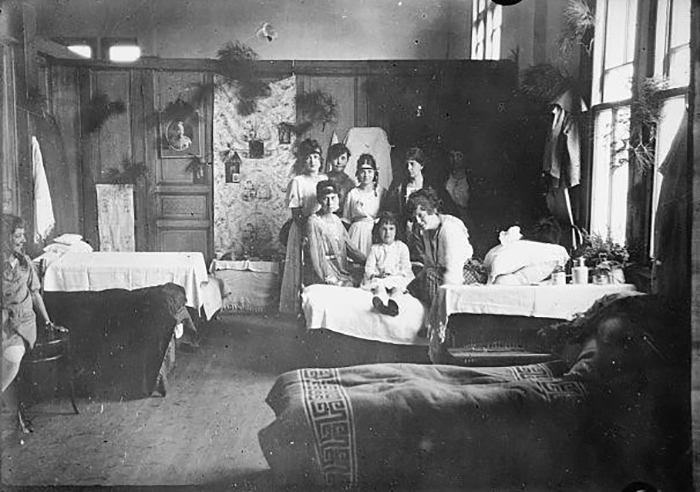
White Russian women at an American Red Cross Rest House on the island of Proti.
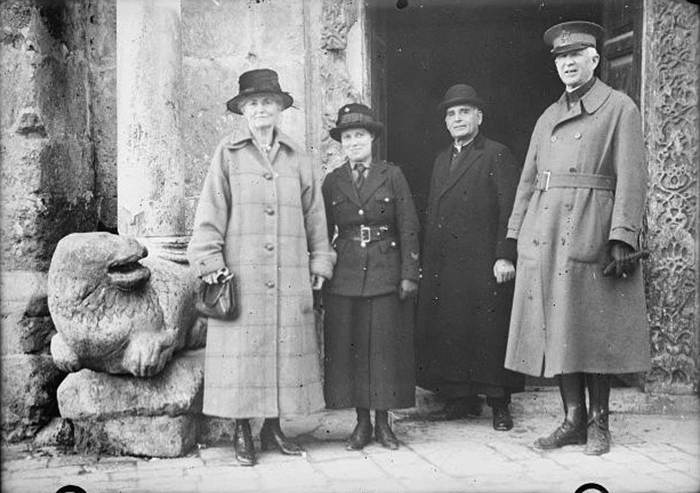
The Constantinople Unit. From right to left: Lt. Col. Ernest P. Bicknell of Washington, D.C.; Miss Rachel T. Sheets, of Merchantsville, New Jersey, and Mrs Bicknell. Col. Bicknell who was in charge of American Red Cross relief work for Russian refugees who fled to Constantinople from Odessa when the Bolsheviks occupied the Russian city.
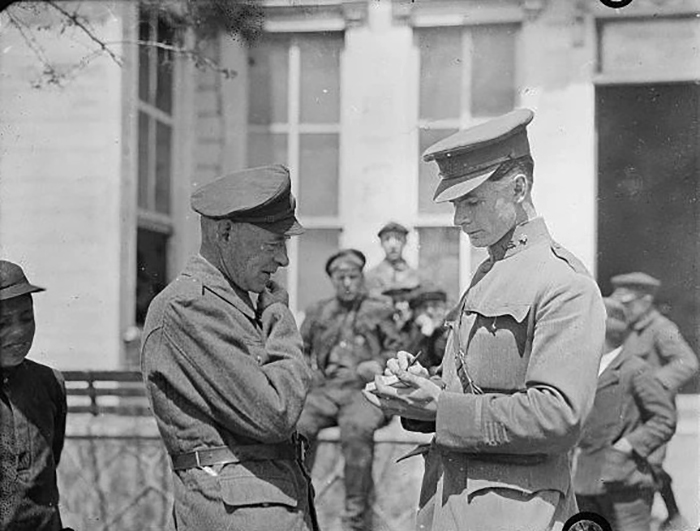
Baron Peter Stenger, a prominent refugee from Odessa receiving his bread allowance from one of the American Red Cross relief workers on the island of Proti, near Constantinople where 1,000 Russians were being cared for.
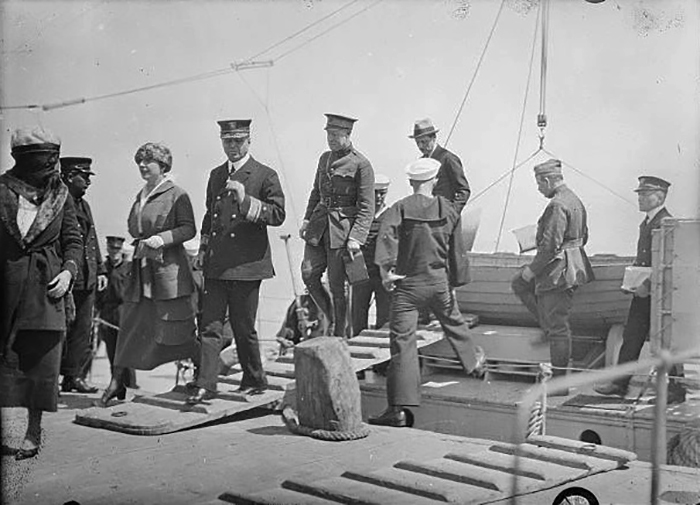
Admiral Bristol, his staff and American Red Cross relief workers, landing on Proti Island, near Constantinople, where refugees from Odessa and other Russian Black Sea ports are being cared for by the American men and women of the Red Cross, 1920.
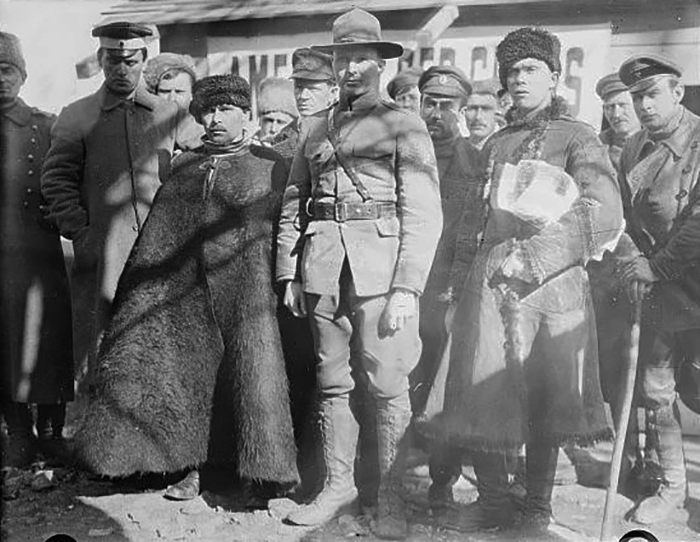
These White Russian refugees were taken to the island of Proti a few hours before the fall of Odessa by the relief ship ‘Navajo’. The picture shows a group of exiles being conducted to the bath house by a Red Cross officer.
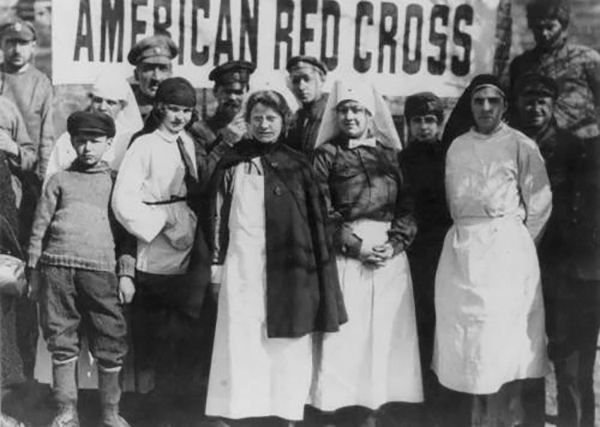
A group of refugees at Proti Island, Constantinople, with an American Red Cross nurse who looks after the sick assisted by Russian sister volunteers, 1919/20.
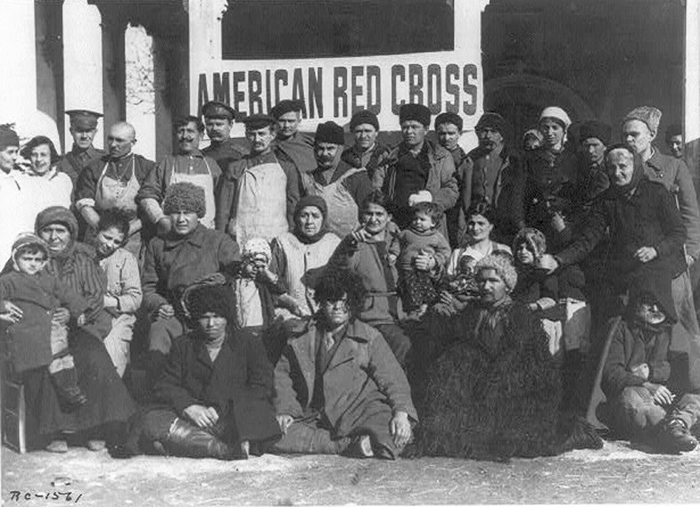
Group of Russian refugees from Odessa posed beneath American Red Cross banner on island of Proti, near Constantinople, where they are being cared for by ARC nurses and relief workers, 1919.
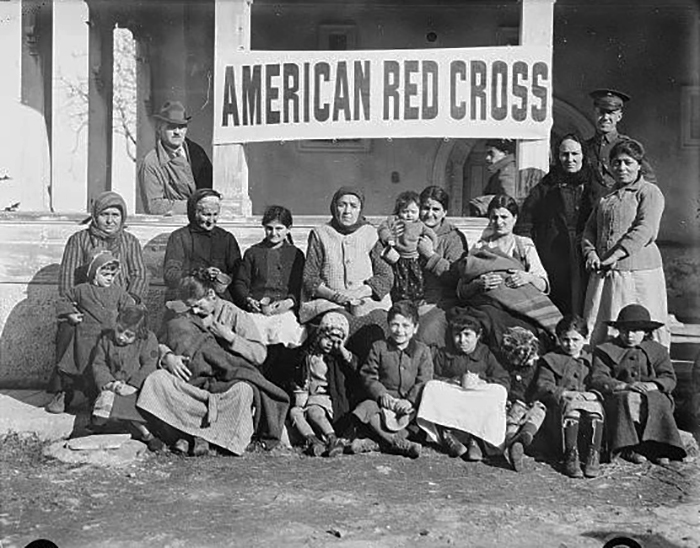
These are a few of the 800 Russian refugees from Odessa who escaped from the Bolsheviks aboard the American Red Cross relief ship, ‘Navajo’ a few hours before the city fell, on the island of Proti, 1920.
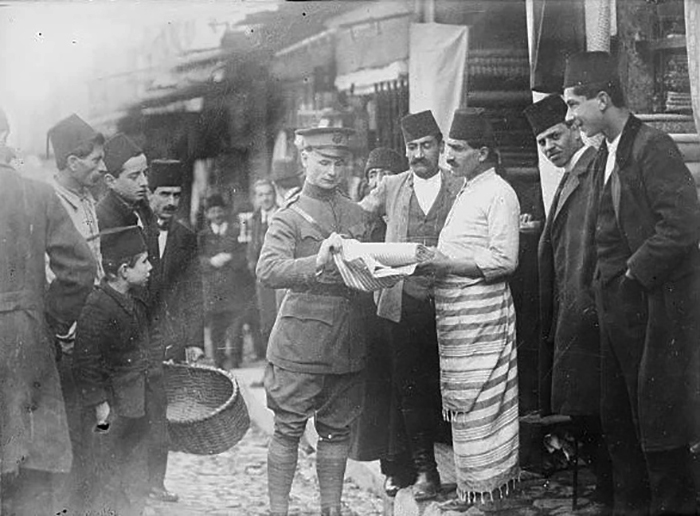
Throughout the Balkans the American Red Cross established ouvroirs or sewing rooms for poor women. In these ouvroirs garments were made for infants, orphans and the poor from cloth either furnished or purchased locally. In order to keep these refugees busy the Red Cross purchased many bales of cloth to be made up into garments. The photo shows Major James A. Mills, of New York, purchasing cloth in the picturesque bazaars of Stamboul, 1920.
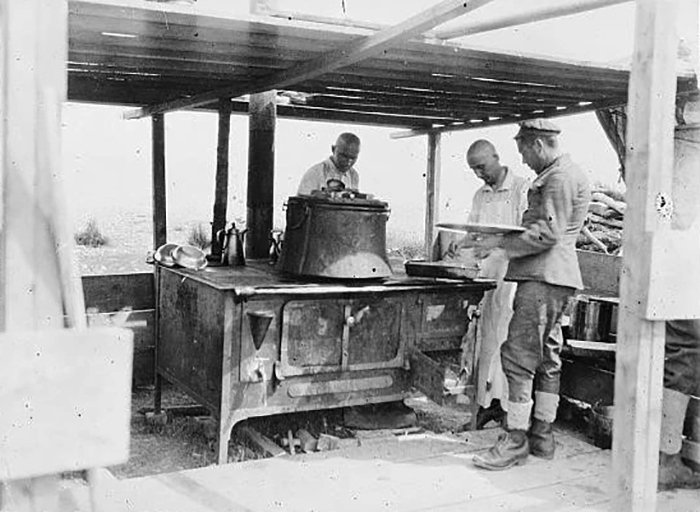
To care for these refugees the Red Cross has erected a large kitchen on the island of Proti, from which hundreds of meals are served every day, 1920.
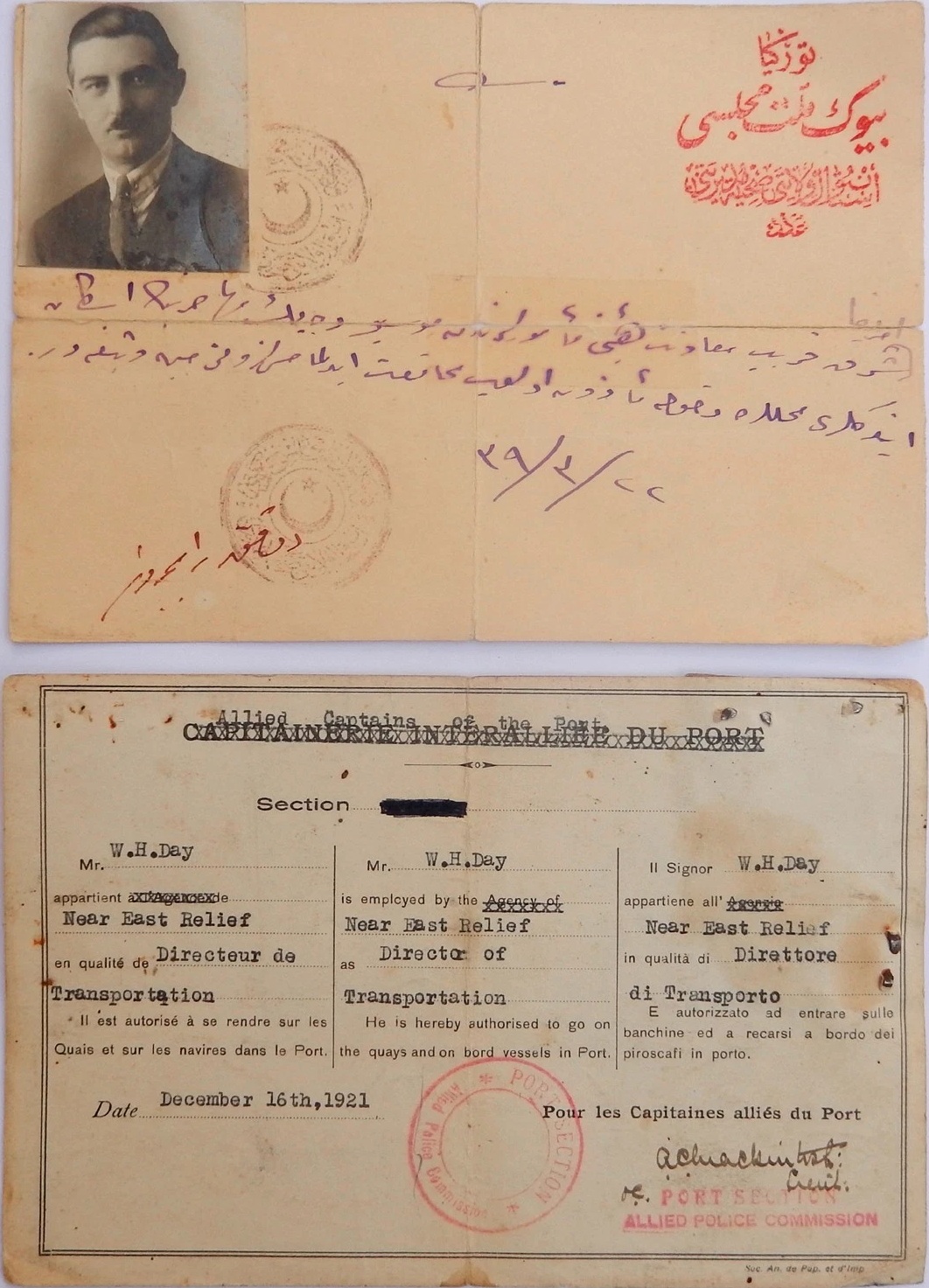
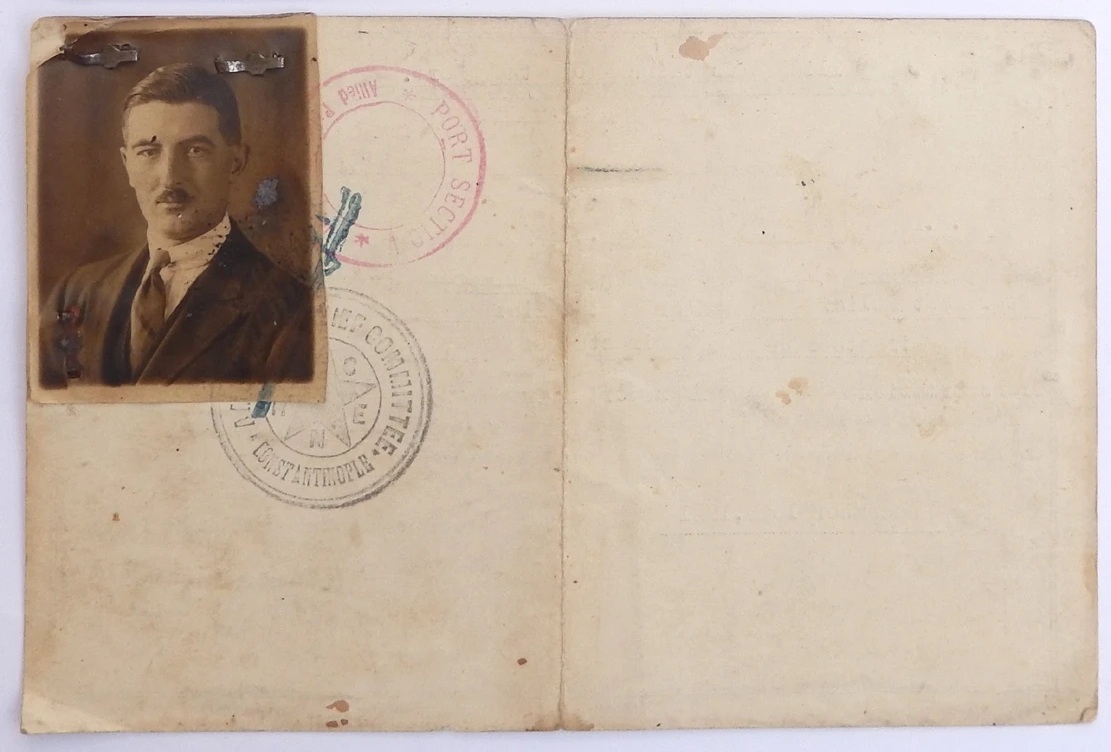
Identity documents issued in Constantinople immediately after World War I, for Mr. W. H. Day, an American employee of the Near East Relief. This includes two complete documents, each with the original photograph of the holder: Allied Police Commission – Port Section (Constantinople), 1921 A multilingual (English, French, Italian) authorization card issued by the Allied Captains of the Port under the occupation authority of the Entente Powers. The document identifies Mr. W. H. Day as Director of Transportation for Near East Relief, and grants him permission to enter quays, docks, and port vessels. Stamped and signed, dated December 16th, 1921. He is also photographed in the gallery above.
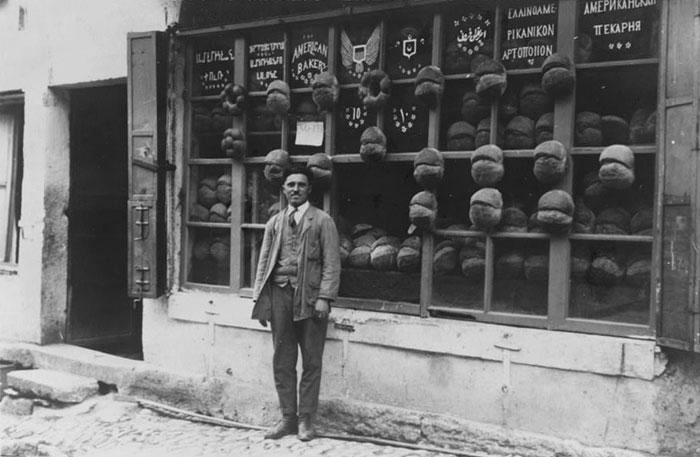
Baker standing in front of the ‘American Bakery’ which displays signs in Armenian, Ladino (in Hebrew characters), English, Ottoman Turkish, Greek and Russian with samples of bread attached for the needy, Ortaköy, Istanbul in 1922, part of the international aid for the occupied city.
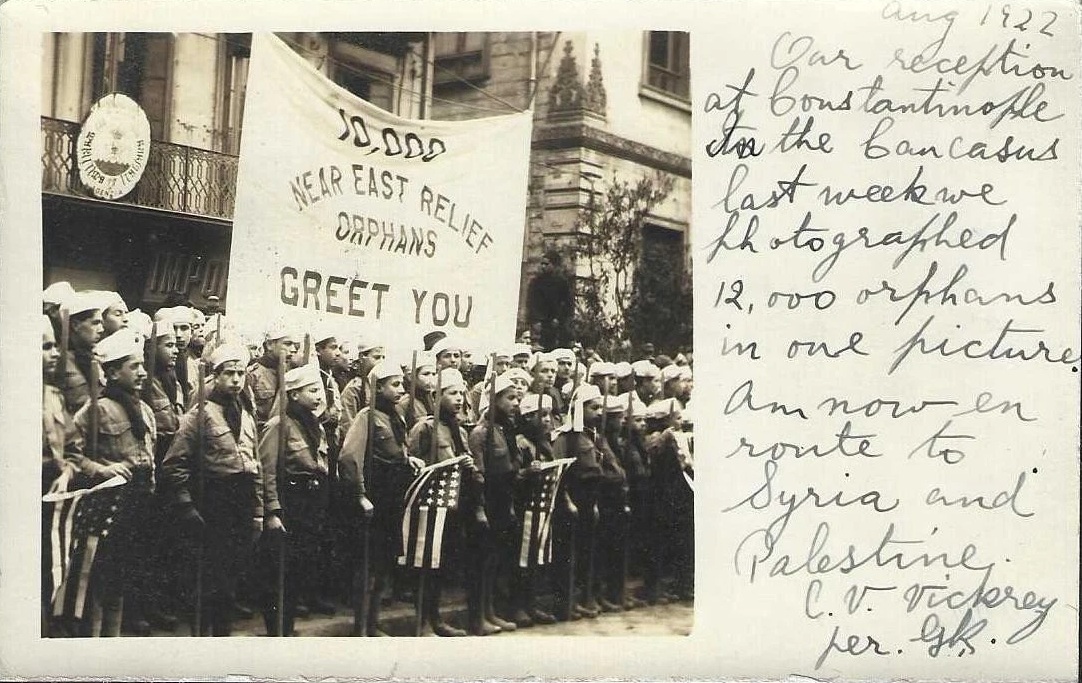
Possibly an honour guard made of orphans under the care of the Near East Relief in front of what looks like the American Consulate in Pera, perhaps to greet a dignitary, in 1922?
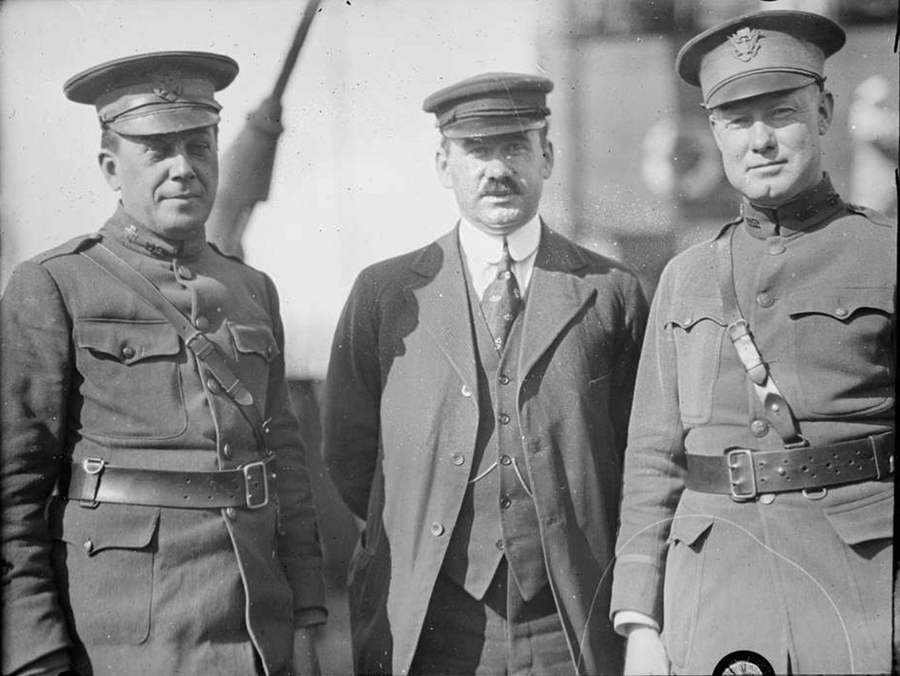
From left to right: W. F. Milner, superintendent of the American Red Cross warehouse in Constantinople; Charles F. Donnelly, skipper of the relief ship Sangerman, and Major George F. Ryden of Kansas City, Me. Director of the Red Cross, south Russian unit.
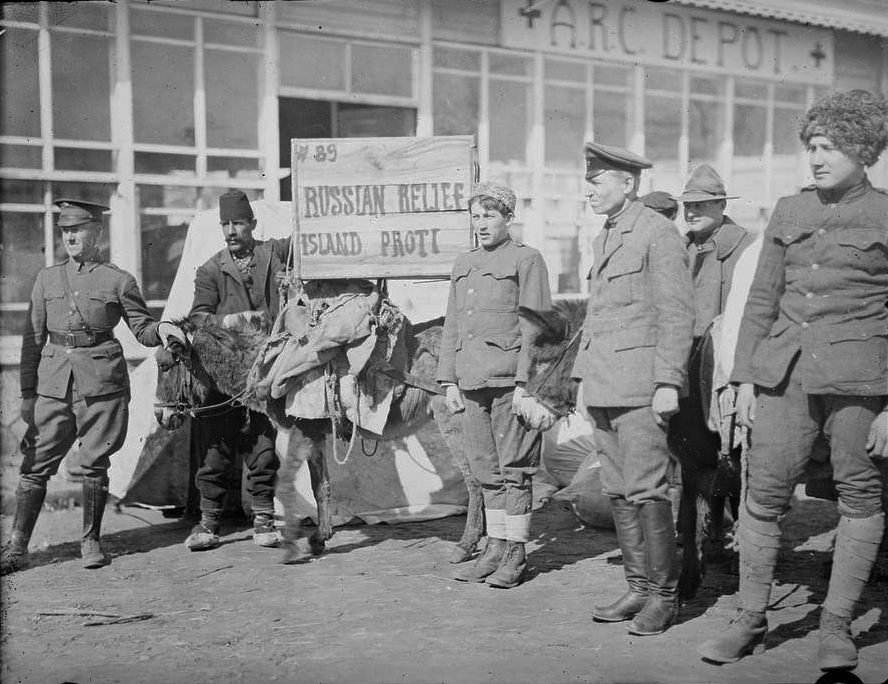
The ‘Baggage Smashers’. This picture shows the squad of Russian and Turkish freight handlers at the American Red Cross warehouse on the island of Proti, near Constantinople. With the fall of Odessa and the escape of thousands of refugees the Red Cross offered to care for a thousand on this island and a supply depot was immediately installed where food, clothing and tents have been provided to these political exiles.
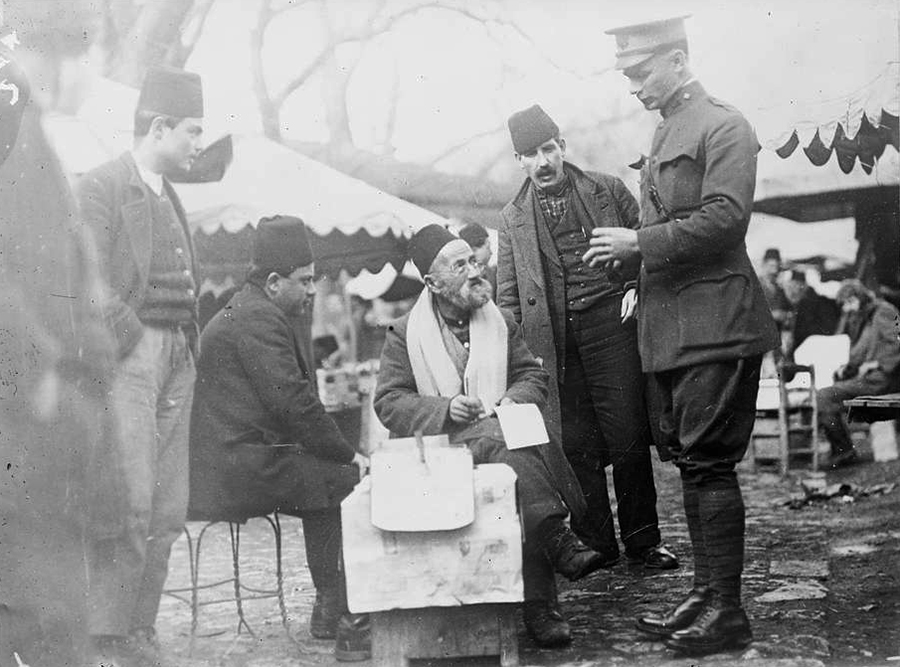
In addition the Red Cross has taken a census of and is caring for the families of Americans of foreign parentage who have been prevented by unsettled conditions in Europe from communicating with relatives in America. In the last two years the Bureau of Home Communications has handled thousands of cases in the Balkans and Northern Europe. Recently the relief ship ‘Navajo’ brought more than a thousand Russian refugees from Odessa to Proti Island near Constantinople where the Red Cross has established a relief camp. A census was made of the Russians and those with relatives in America were enabled to get into touch with them through a bureau established by Major James A. Mills, of New York. The old Turk in the picture who speaks Russian was of great assistance to Major Mills in making up his lists of Russians with American relatives.
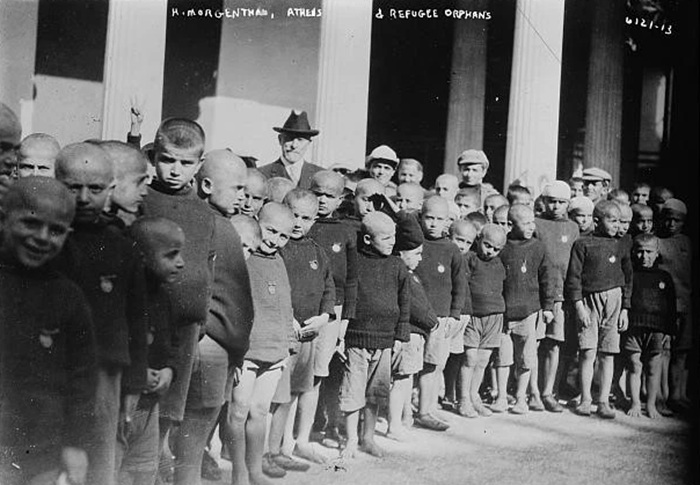
US Ambassador for Constantinople (1913-16), Henry Morgenthau Sr., visiting evacuated orphans in Zappeion, Athens, collected in a camp on the rough ground by the ancient temple of Jupiter.
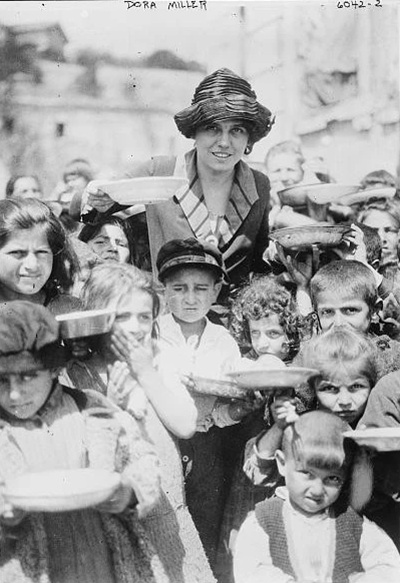
Dietitian Dora Miller, with Armenian orphans at a Near East Relief orphanage in Greece, 1923.
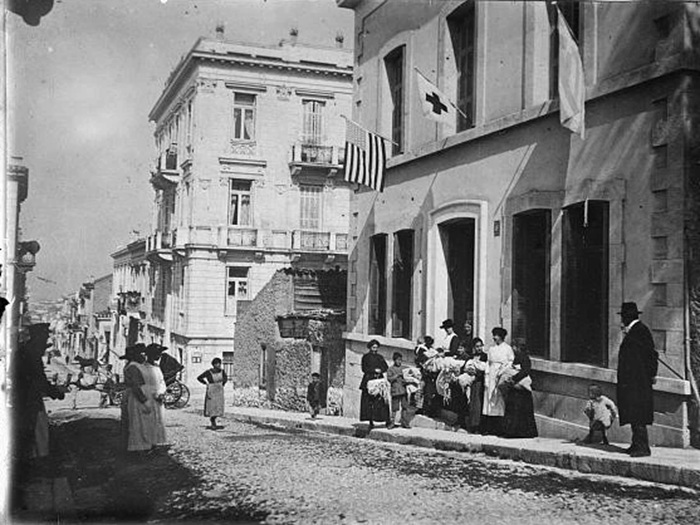
American Red Cross Relief Station in Athens, 1919.
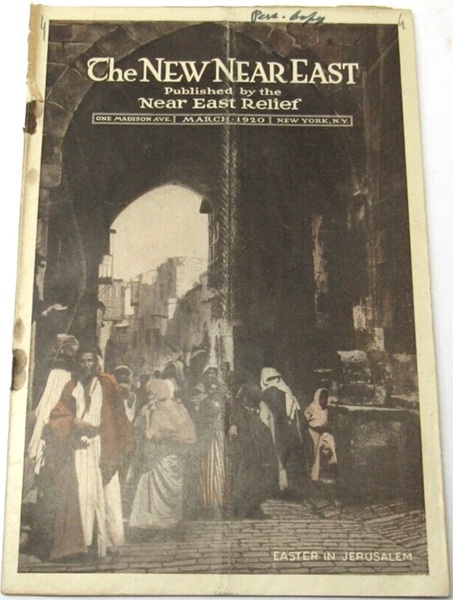
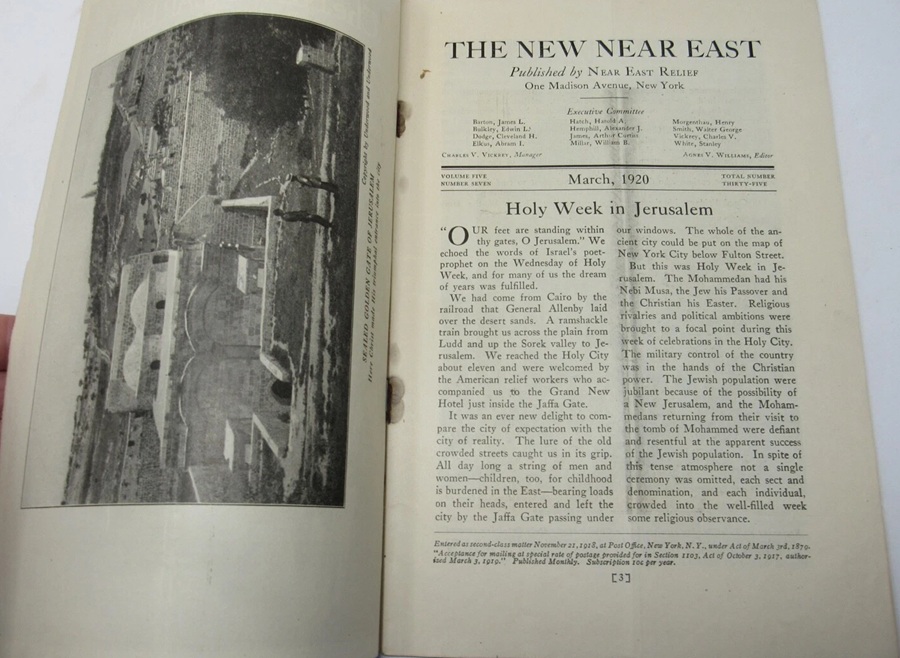
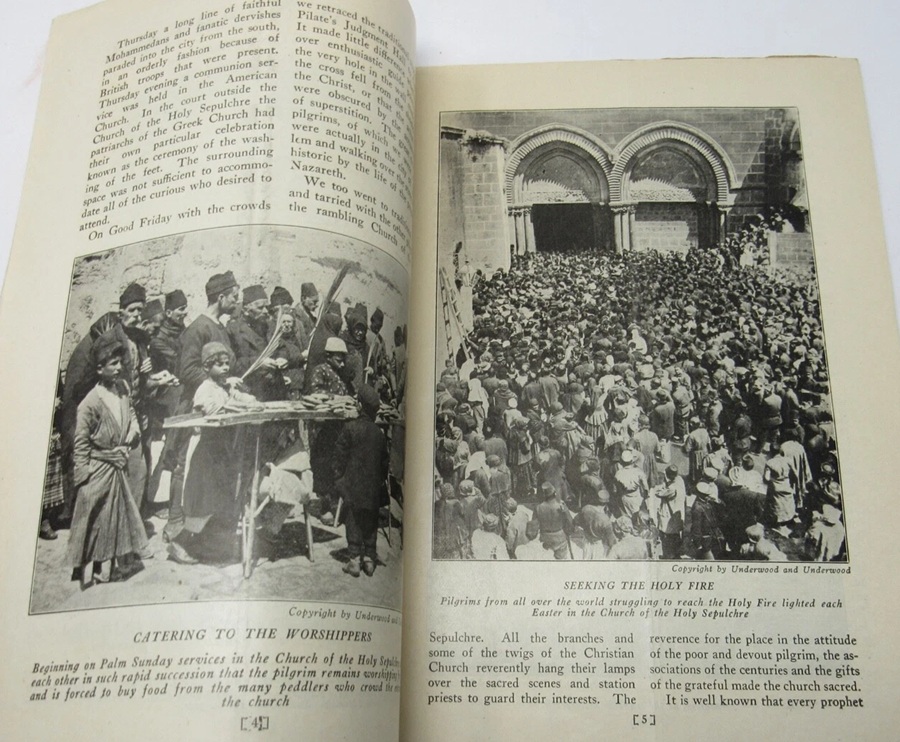
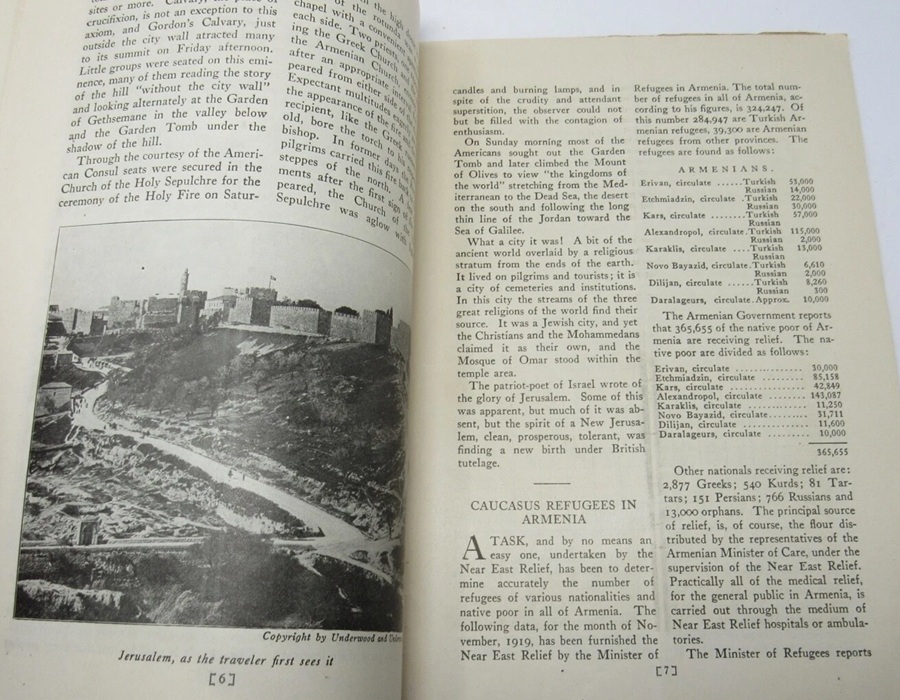
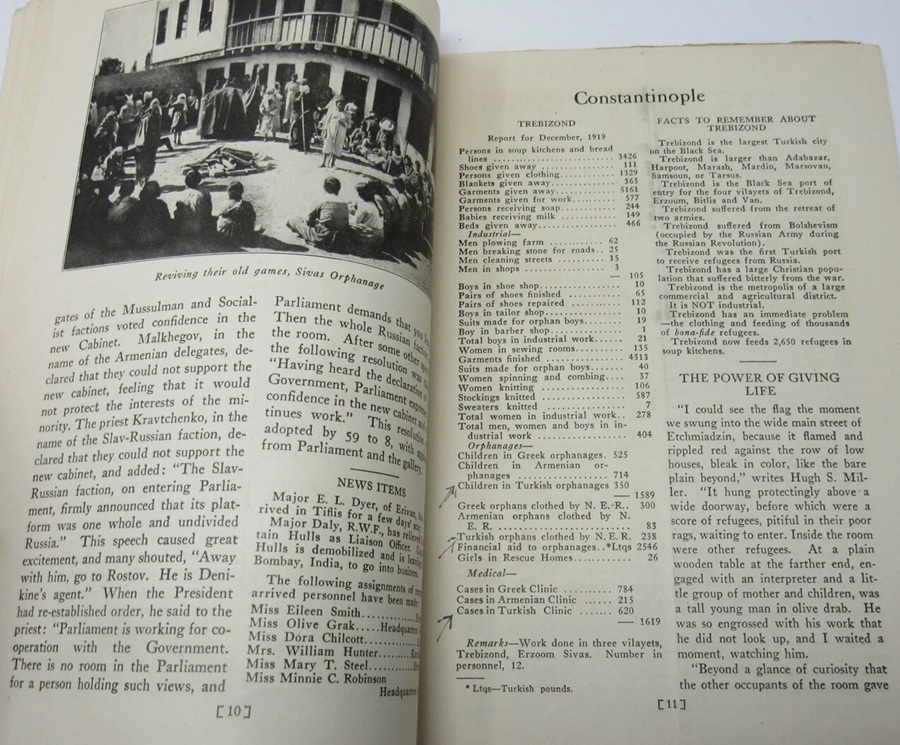
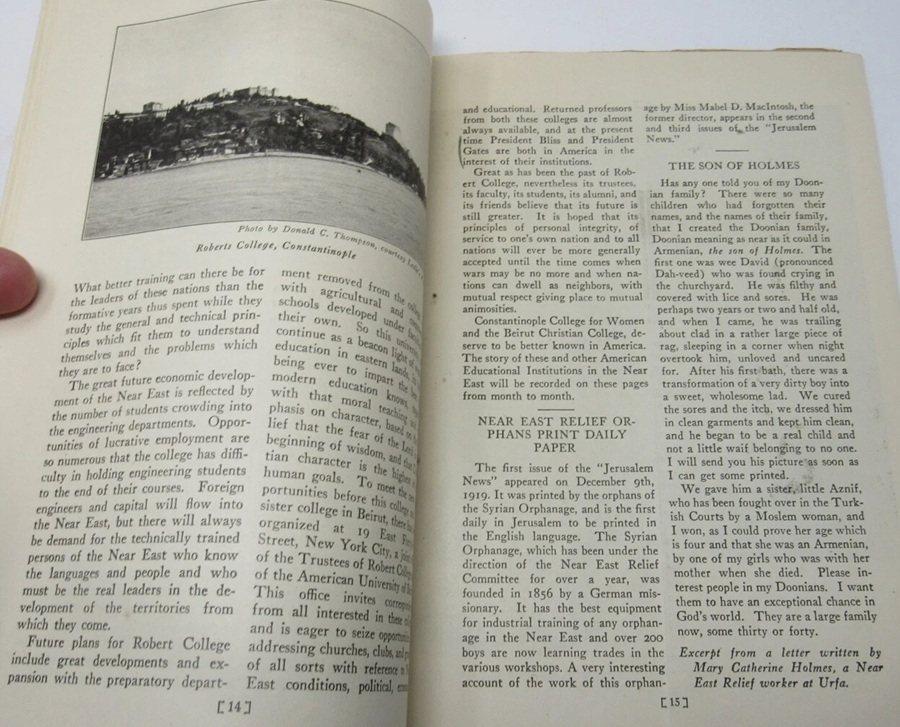
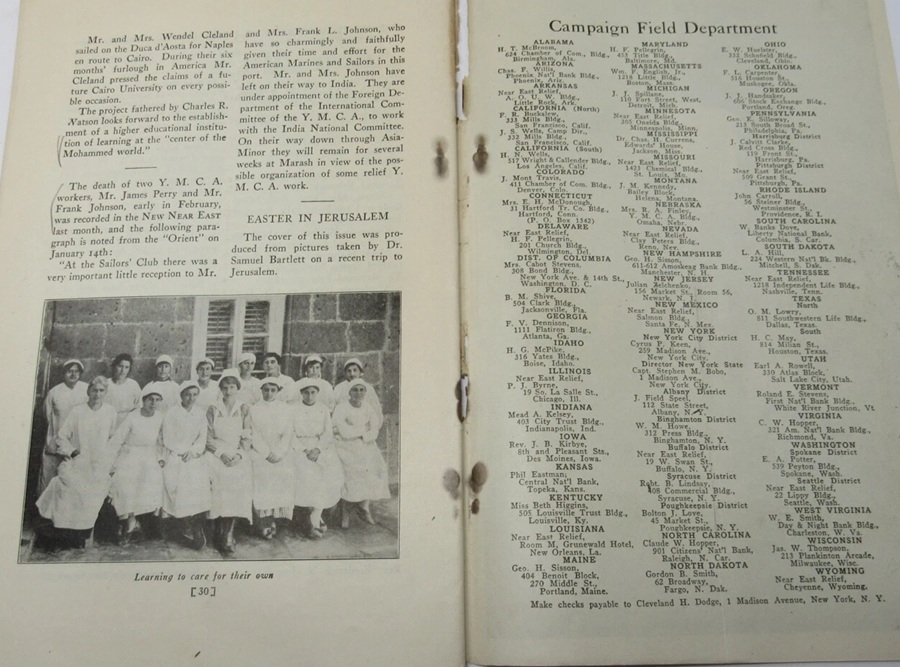
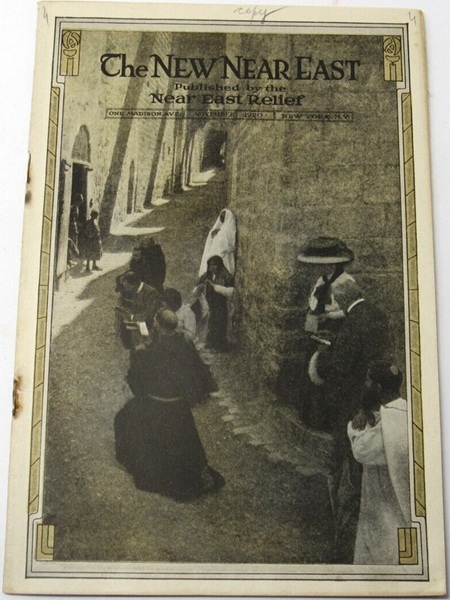
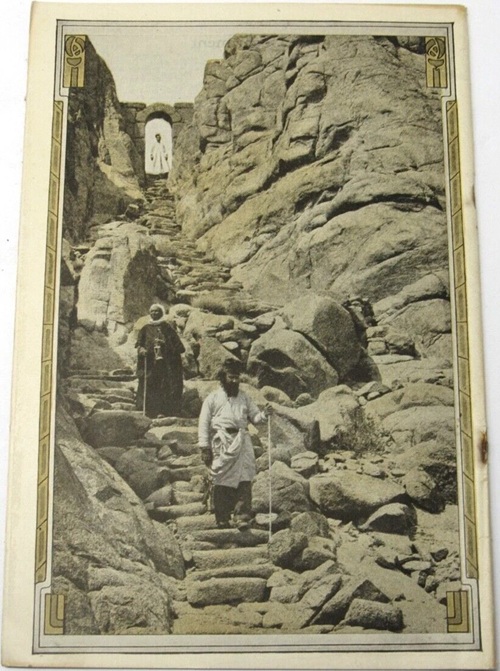
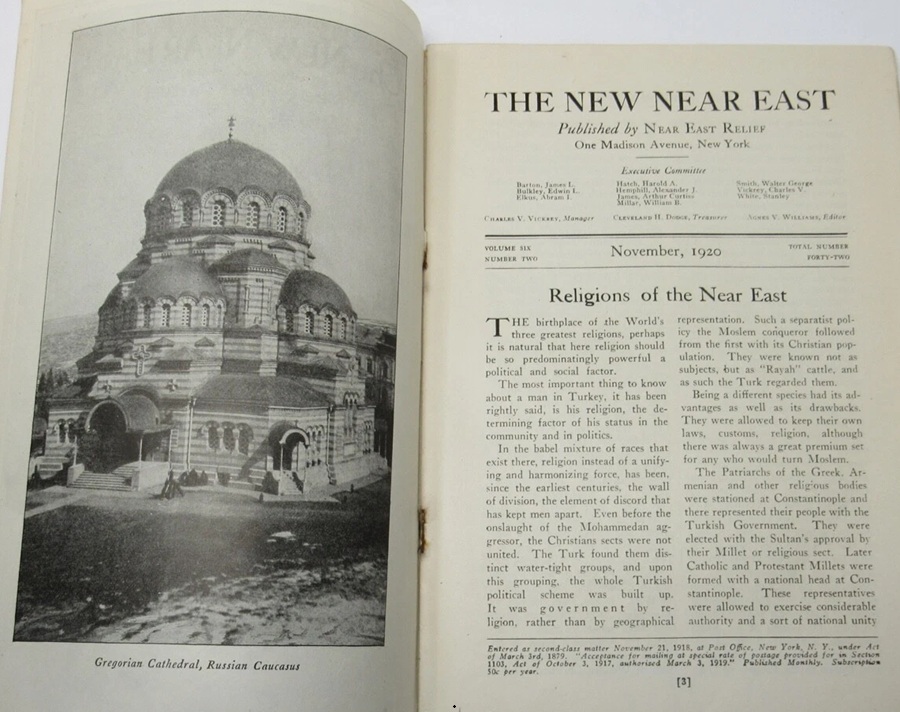
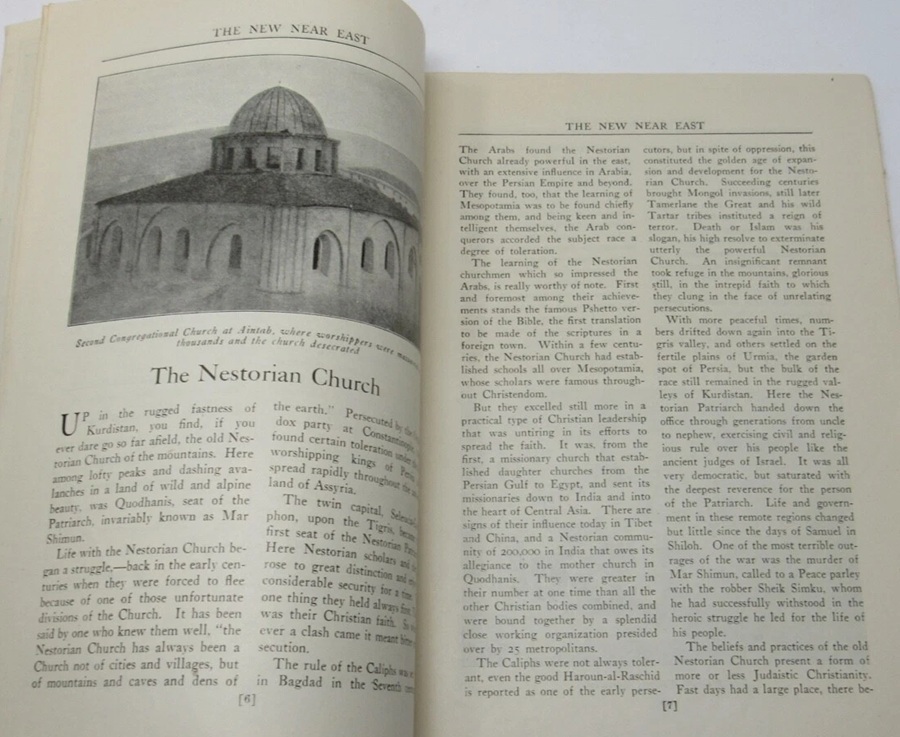
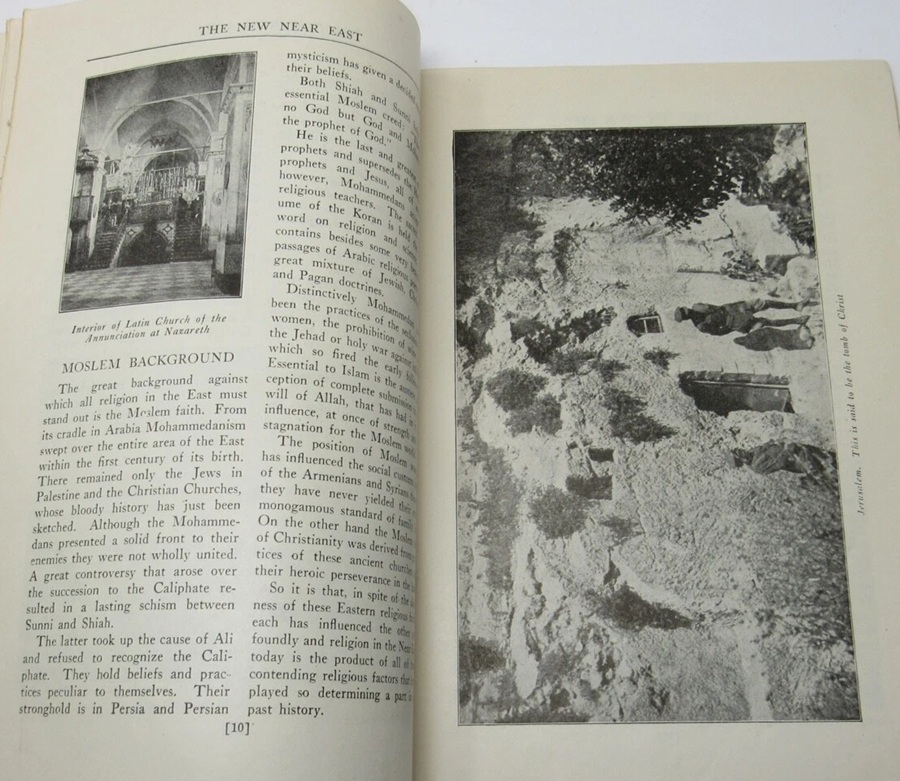
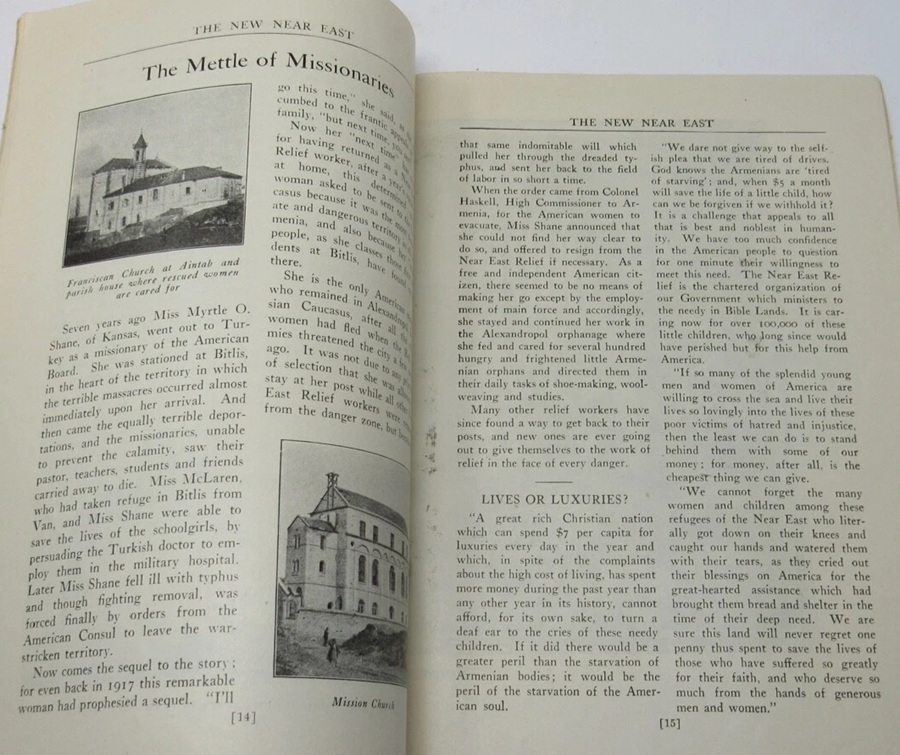
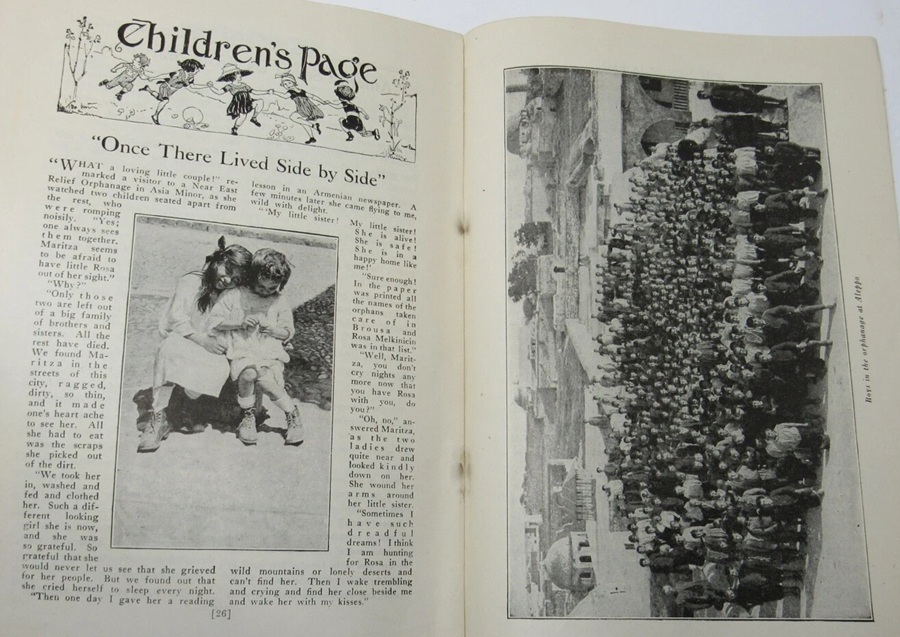
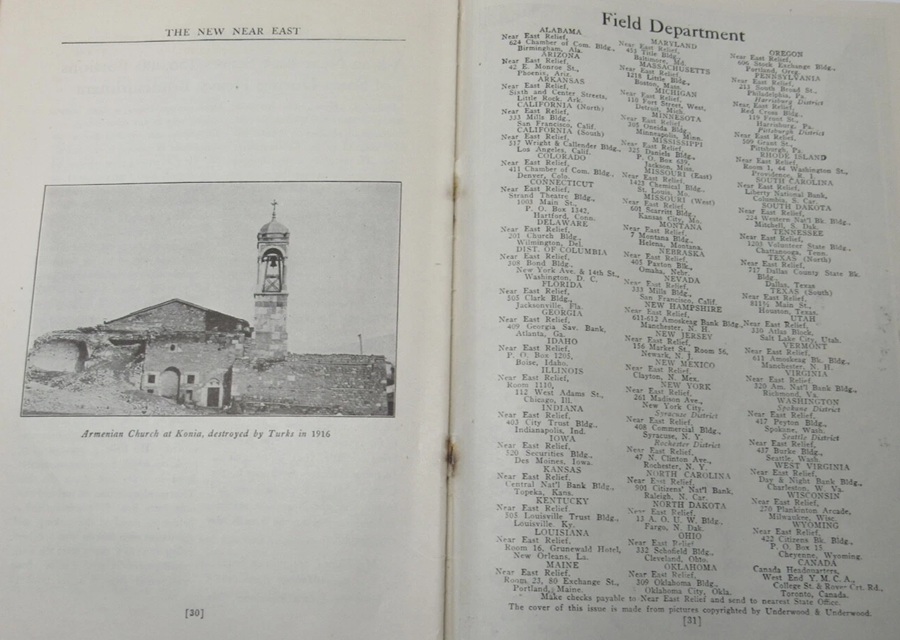
Editions from 1920 of the Near East Relief magazine giving granular detail on their activities and the cultures of the region.